
What the procedure addresses
Cataract surgery addresses clouding of the eye’s natural lens. As the lens clouds, vision becomes blurred, glare increases, and colours fade. Surgery removes the clouded lens and replaces it with a clear artificial lens.
Who may be a good candidate
Surgery is considered when cataract symptoms affect daily activities such as reading, driving, or navigating low light, and when updated glasses no longer provide adequate vision. The decision is individualized to your symptoms and goals.
What the procedure involves
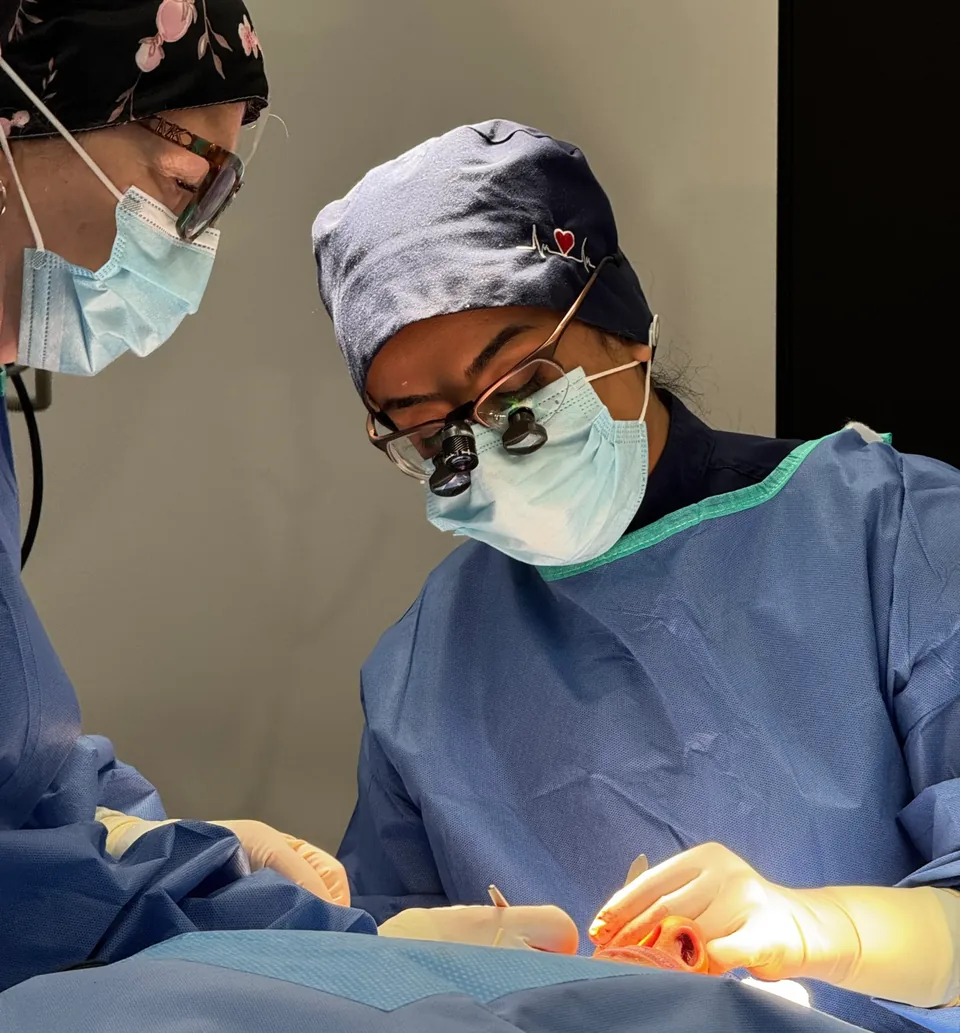
The procedure is typically performed as day surgery under local freezing. The clouded lens is emulsified and removed through a small self-sealing incision, and a folded artificial lens is inserted and positioned where the natural lens sat.
Specialist perspective
Cataract surgery is highly standardized, but each eye is not. Lens power calculation, surgical technique, and management of conditions such as astigmatism or prior eye disease are tailored to the individual eye, which is where specialist planning matters.
Outcomes
Most patients experience meaningful improvement in clarity and glare after healing. Final vision depends on the health of the rest of the eye, and any pre-existing conditions affecting potential vision are identified at assessment.
Recovery and timeline
Visual improvement often begins within days, with full healing over several weeks. Anti-inflammatory drops are used during recovery. Activity restrictions are modest and individualized, and follow-up visits track healing.
Risks and limitations
Risks include infection, swelling, posterior capsule opacification, retinal detachment, and less commonly more serious complications. Pre-existing eye conditions can limit final vision. These factors are reviewed with you before surgery.