
Eyelid Surgery

Eyelid Lesions and Minor Eyelid Surgery

Minor eyelid surgery addresses benign lesions, cysts, and growths on the eyelids with careful technique that respects the delicate periocular anatomy.

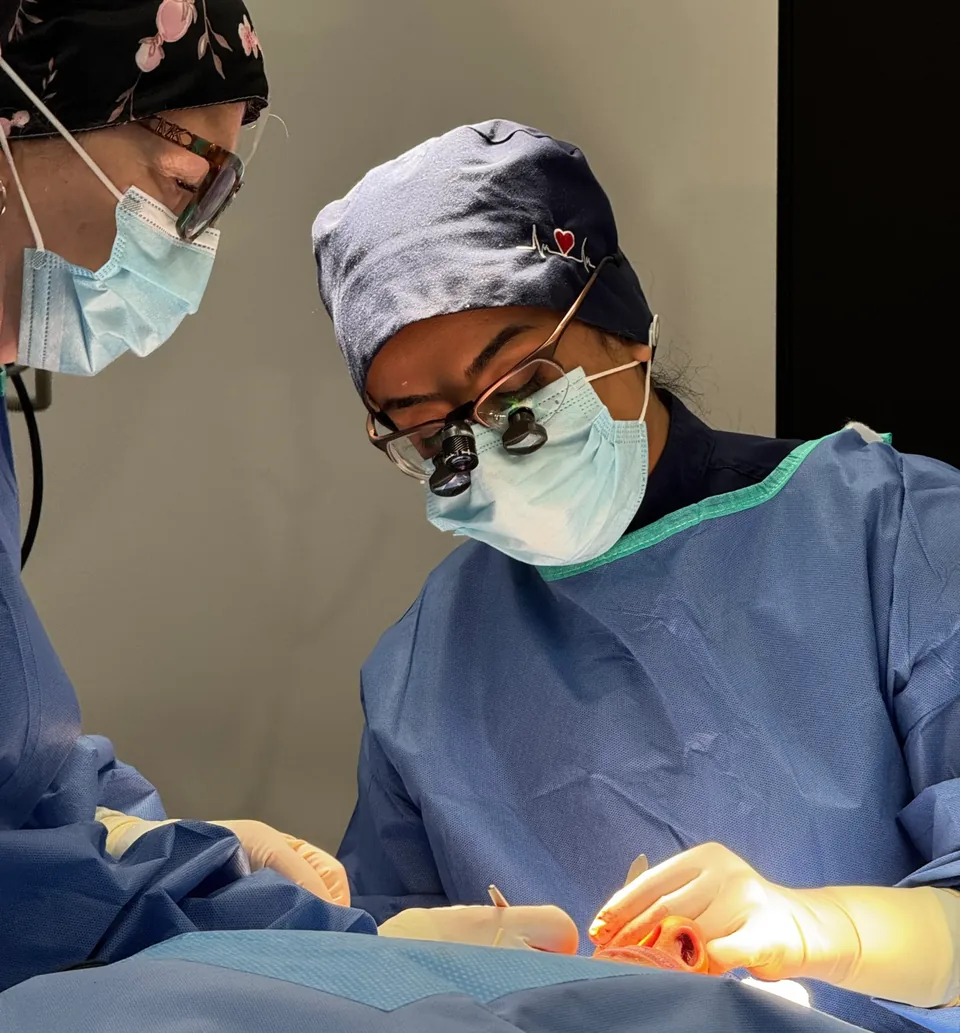
Two members of the surgical team at work in the operating room, one wearing surgical loupes

What the procedure addresses

Minor eyelid surgery addresses benign lesions on or around the eyelids, including cysts, skin tags, and other growths. Because the eyelids are thin and functionally critical, even small lesions can affect comfort, vision, or the way the lid closes.

Who may be a good candidate

Anyone with an eyelid lesion that is symptomatic, cosmetically concerning, or of uncertain nature benefits from assessment. Candidates for removal are confirmed after the lesion has been evaluated and a treatment plan agreed.

What the procedure involves

Removal is typically performed under local freezing in a minor procedure setting. The technique depends on the lesion type and location, and is planned to remove the lesion completely while respecting eyelid function and appearance.

Specialist perspective

The eyelids are specialized structures, and tissue removed near the lid margin or tear drainage system affects both appearance and function. An oculoplastic approach plans excision around these structures so that treatment of a small lesion does not create a larger problem.

Recovery and timeline

Most minor eyelid procedures have a short recovery. Mild swelling, tenderness, or a small visible wound is common for days to a couple of weeks depending on the lesion and technique. Specific aftercare is provided for each patient.

Risks and limitations

Risks include bleeding, infection, scarring, and recurrence of the lesion. Some lesions require laboratory examination after removal, and some lesions are better managed with other treatments identified at assessment.

FAQ

Frequently asked questions

What eyelid lesions can be treated?

Many benign eyelid lesions, including cysts, skin tags, and certain growths, can be addressed with minor surgery. Each lesion is assessed first to confirm its nature and the appropriate treatment.

Is every eyelid growth removed?

Not necessarily. Some lesions are monitored, some respond to other treatments, and some are best removed. The assessment considers the lesion's characteristics, symptoms, and location before recommending a plan.

Is minor eyelid surgery uncomfortable?

These procedures are typically performed with local freezing. Most patients feel pressure or movement rather than pain, and discomfort afterward is usually manageable with standard care.

Will removal leave a scar?

Incisions on the eyelid are planned to respect the natural creases and contours of the area. Eyelid skin generally heals well, but every wound heals individually and results vary.

When should an eyelid lesion be assessed promptly?

Any lesion that grows, changes colour, bleeds, or ulcerates should be assessed promptly. A new or changing lesion on the eyelid margin always warrants professional evaluation.

Considering Eyelid Lesions?

Begin with an assessment. Your surgeon will explain your options, including when surgery is not the right step.

Request a Consultation