
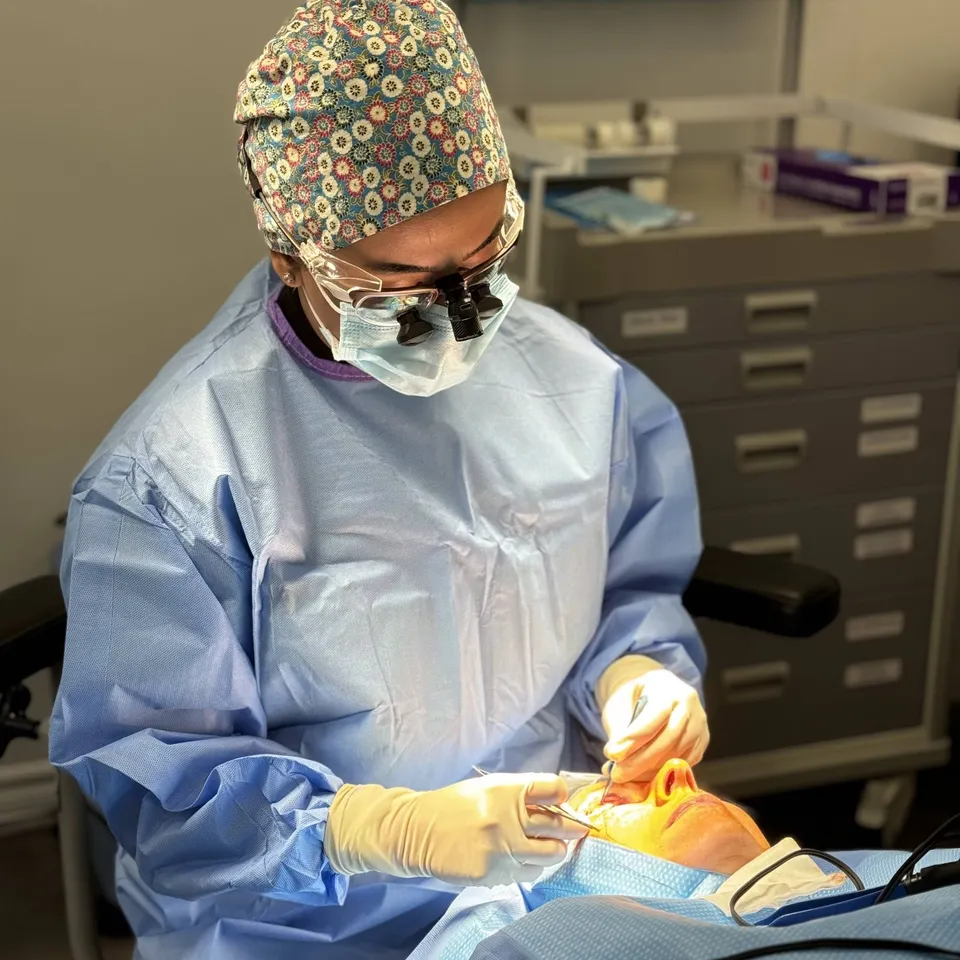
What the procedure addresses
Chalazion surgery addresses persistent cysts in the eyelid caused by blocked oil glands. While many chalazia settle with warm compresses and lid hygiene, some persist, grow large, or recur, and surgery offers definitive removal.
Who may be a good candidate
Surgery is considered when a chalazion has not responded to conservative measures over an appropriate period, when it is large or uncomfortable, or when it affects vision. Any atypical or recurrent lump should be assessed to confirm the diagnosis before treatment.
What the procedure involves
The procedure is typically performed under local freezing. Depending on the chalazion’s position, the surgeon may work from the inner surface of the eyelid or through a small skin incision. The inflamed material is removed and the gland is treated to reduce recurrence.
Specialist perspective
Chalazia on the lid margin or near the tear drainage system require careful handling. An oculoplastic assessment also distinguishes chalazia from other eyelid lumps, since rare lesions can mimic a chalazion and any atypical or recurring lump deserves review.
Recovery and timeline
Most patients have mild swelling, bruising, and tenderness for several days. A small patch or bandage may be used briefly. Specific aftercare, including compresses and drops or ointment, is individualized after the procedure.
Risks and limitations
Risks include bleeding, infection, scarring, and recurrence. Chalazion surgery treats the existing cyst but does not change the underlying gland tendency, so ongoing lid hygiene remains important for patients prone to chalazia.