What the procedure addresses
Premium lens options address the limitations of a standard monofocal lens, which provides clear vision at one chosen distance and leaves other distances reliant on glasses. Advanced lens technologies aim to expand the range of clear vision after cataract surgery.
Who may be a good candidate
Good candidates have healthy eyes apart from the cataract, realistic expectations, and visual priorities that match what a given lens technology offers. Corneal measurements and eye health determine which options are appropriate for each patient.
What the procedure involves
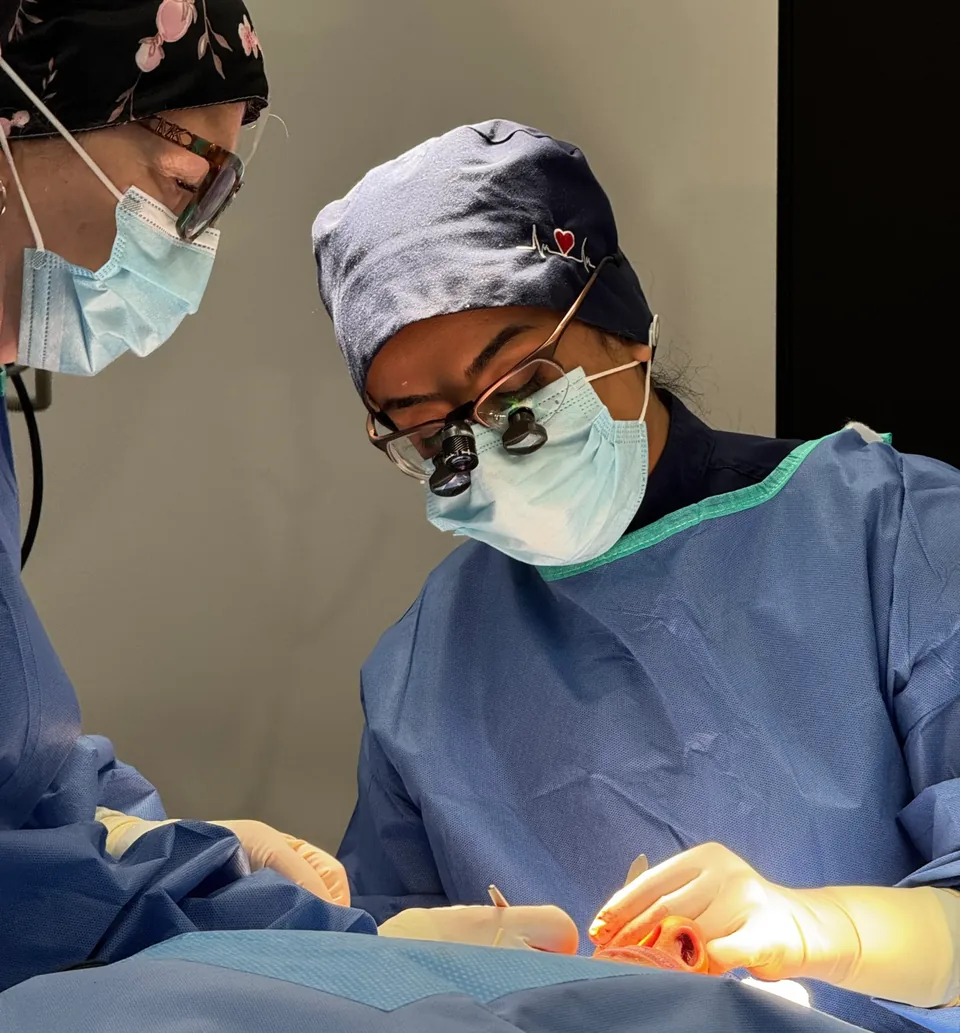
The surgical procedure itself is the same cataract operation; the difference lies in preoperative measurement and the lens selected. Toric lenses require precise alignment planning, and presbyopia-correcting lenses require careful patient selection and counselling.
Specialist perspective
Premium technology is a tool, not a guarantee. The specialist role is to match lens selection to your eyes and priorities, identify factors that would reduce the benefit, and give you a realistic picture of the expected outcome before you commit.
Outcomes
Many patients enjoy an expanded range of clear vision and reduced glasses dependence. Results vary with lens type, healing, and individual adaptation, and these expectations are reviewed thoroughly before surgery.
Recovery and timeline
Recovery follows the standard cataract surgery timeline, with visual improvement over days to weeks. Neuroadaptation to premium lenses, particularly multifocal designs, can take longer as the brain adjusts to the new optical pattern.
Risks and limitations
Risks include those of standard cataract surgery plus lens-specific considerations such as halos or glare with multifocal designs, residual astigmatism, and the possibility of needing glasses or enhancement. These limitations are discussed before surgery.