
What the procedure addresses
Refractive cataract surgery addresses the clouded natural lens of cataract while using the lens exchange as an opportunity to reshape your optical correction. The goal is clear vision with reduced dependence on glasses after healing.
Who may be a good candidate
Candidates have cataract-related visual symptoms and an interest in reducing glasses dependence. Eye health, corneal measurements, and visual priorities determine which lens options are realistic. The assessment identifies any factors that would limit refractive outcomes.
What the procedure involves
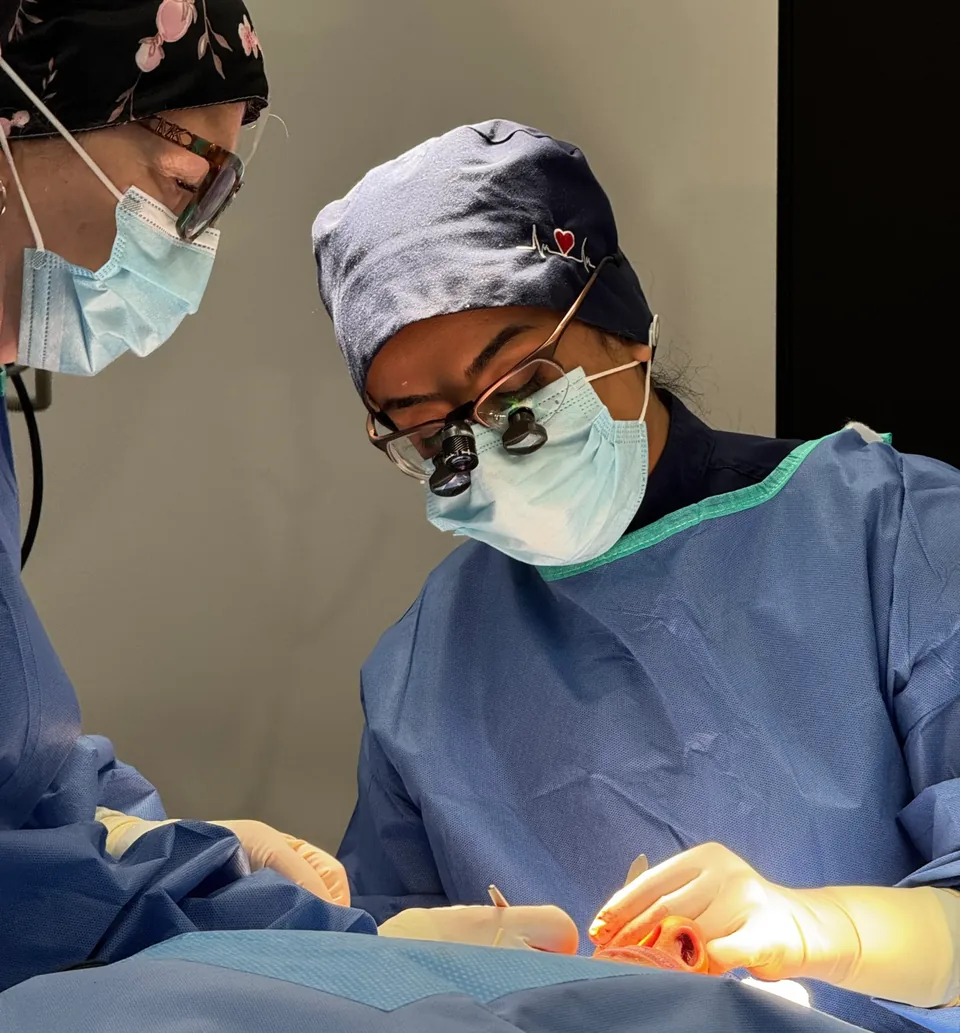
The clouded lens is removed through a small incision and replaced with an artificial lens selected through preoperative measurements. Lens selection, astigmatism management, and target refraction are planned before surgery, based on your eye measurements and goals.
Specialist perspective
The refractive outcome depends on accurate measurement, careful surgical technique, and realistic lens selection. Part of the specialist assessment is matching the lens technology to the patient’s eyes and daily visual needs rather than to a brochure.
Outcomes
Most patients experience improved clarity as the eye heals. The degree of glasses independence varies with the lens chosen and individual healing, and these expectations are reviewed with you before surgery.
Recovery and timeline
Recovery is typically straightforward, with visual improvement over days to weeks. Drops are used during the healing period, and activity guidance is individualized. Follow-up visits monitor healing and refractive outcome.
Risks and limitations
Cataract surgery carries risks including infection, swelling, retinal issues, and the need for further procedures. Refractive outcomes vary, and some patients benefit from glasses or enhancement for certain distances. These limitations are discussed before surgery.