What the procedure addresses
Refractive lens exchange addresses refractive error by replacing the eye’s natural lens with an artificial implant, using the same technique as cataract surgery. Because the lens is replaced, it also removes the possibility of cataract developing in that eye later.
Who may be a good candidate
Good candidates are typically adults, often in the presbyopic age range, whose prescription or visual goals make lens-based correction more suitable than corneal laser surgery. Eye health, retinal status, and realistic expectations are central to candidacy.
What the procedure involves
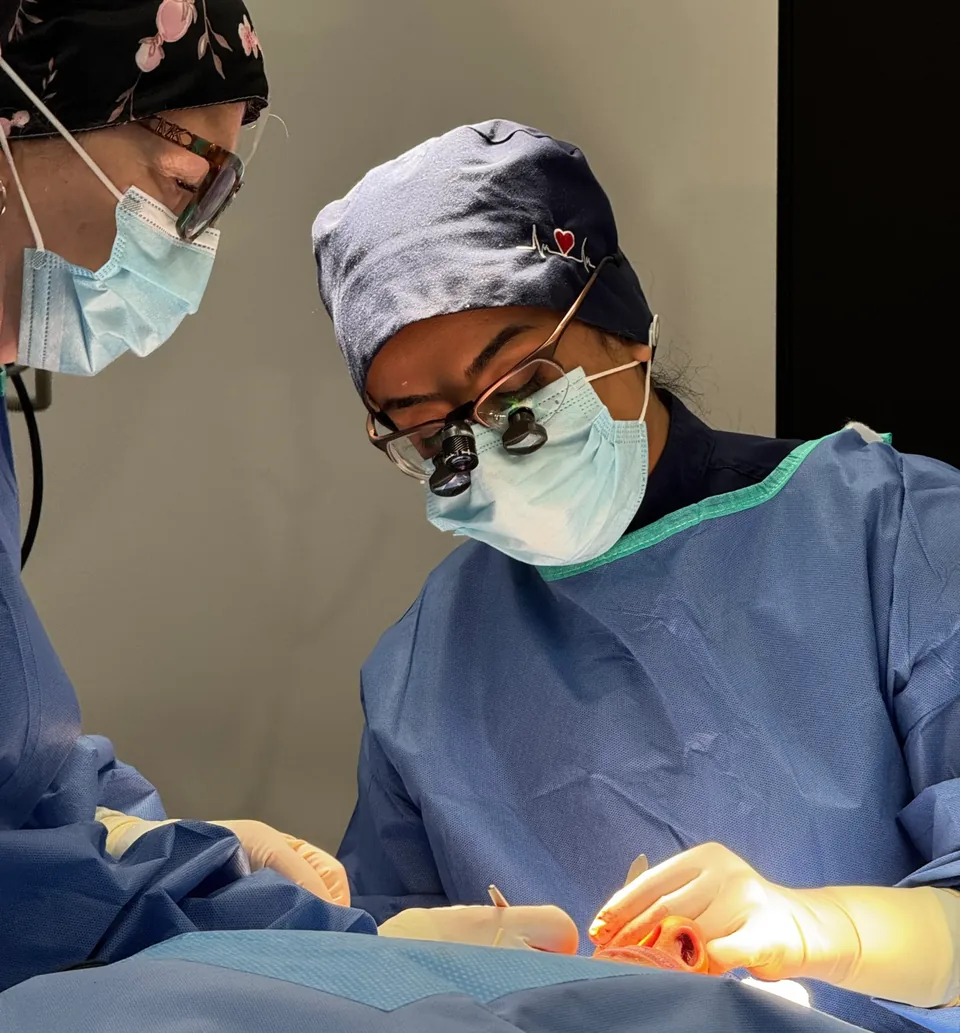
The natural lens is removed through a small incision and replaced with an implant selected from preoperative measurements. Lens choice follows the same options as refractive cataract surgery, including toric and presbyopia-correcting designs.
Specialist perspective
Lens exchange is elective surgery on a healthy eye, so the threshold for proceeding differs from cataract surgery where the lens is already clouded. The specialist assessment weighs your current prescription, age, retinal health, and the alternatives honestly before recommending surgery.
Outcomes
Most patients achieve significantly reduced glasses dependence. The final result depends on measurement accuracy, healing, and the lens chosen, and these expectations are reviewed before surgery.
Recovery and timeline
Recovery mirrors cataract surgery, with visual improvement over days to weeks and drops during healing. Follow-up visits confirm lens position and refractive outcome.
Risks and limitations
Risks include infection, swelling, retinal detachment, and refractive outcomes short of the plan. Because the surgery is elective, these risks are weighed against your current situation and the alternatives, all of which are discussed before a decision.