
Eyelid Surgery

Upper Blepharoplasty

Upper blepharoplasty removes excess skin and tissue from the upper eyelids to improve comfort, visibility, and a natural, refreshed appearance.

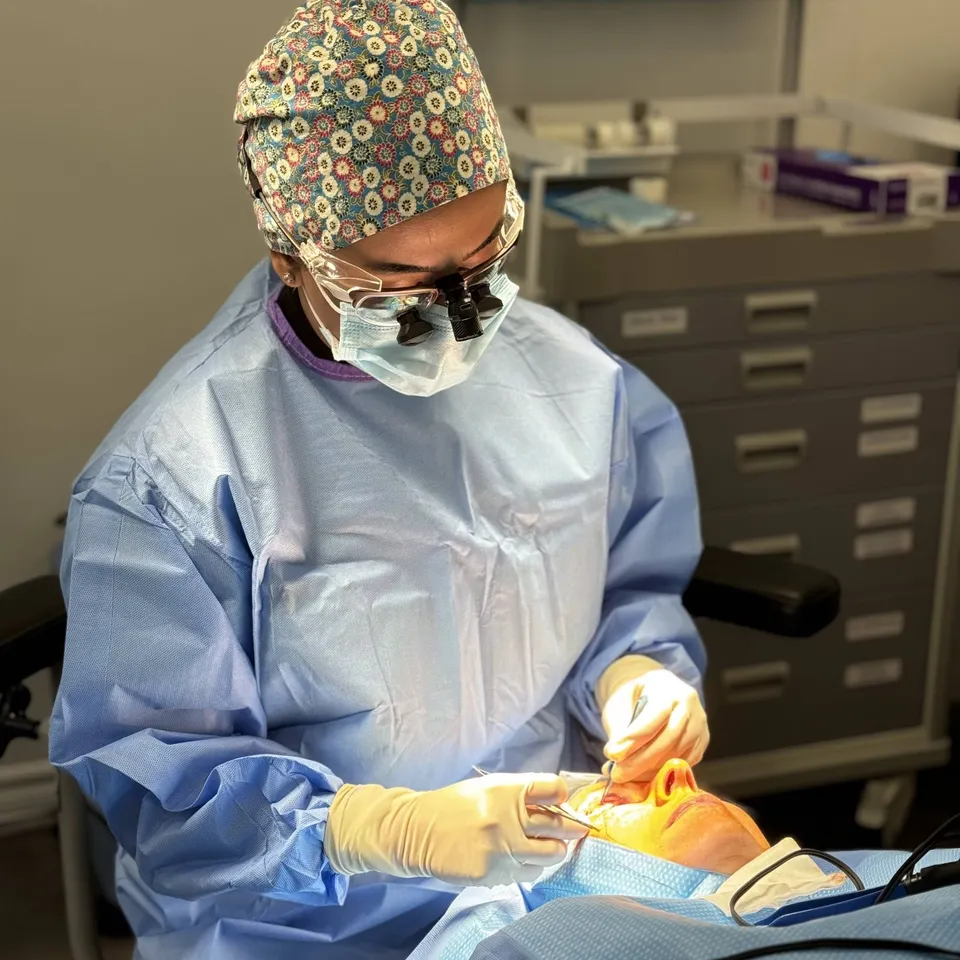
A surgeon operating on the eyelid using surgical loupes

What the procedure addresses

Upper blepharoplasty addresses excess skin and tissue that can make the upper eyelids feel heavy, reduce the upper field of vision, or create a tired appearance.

Who may be a good candidate

Good candidates are generally in stable health with realistic goals and eyelid findings that surgery can address. An assessment distinguishes true eyelid skin excess from brow descent and other causes of a heavy upper eyelid.

What the procedure involves

The procedure is typically performed in a surgical setting with local freezing and, in some cases, sedation. The surgeon removes a planned amount of skin and tissue and closes the incision in a way that respects the natural eyelid crease.

Specialist perspective

Upper eyelid surgery sits at the intersection of function and appearance. Planning considers eyelid position, tear film health, brow position, symmetry, and the patient’s goals so that the result looks natural in motion as well as at rest.

Outcomes

Results are gradual as swelling settles. The intention is a lighter, more open eyelid appearance that remains consistent with the patient’s own anatomy.

Recovery and timeline

Most patients experience swelling and bruising early on, with improvement over the following weeks. Activity, medication, and follow-up guidance are individualized for each patient.

Risks and limitations

All surgery carries risks, including bleeding, infection, asymmetry, dryness, and the need for revision. Upper blepharoplasty does not correct brow descent, and the assessment identifies when another approach may be more appropriate.

FAQ

Frequently asked questions

What does upper blepharoplasty treat?

Upper blepharoplasty addresses excess skin and tissue in the upper eyelids. It is considered when that tissue reduces comfort, restricts peripheral vision, or creates a tired or heavy appearance.

Am I a good candidate for upper eyelid surgery?

Candidacy depends on your eyelid anatomy, eye health, general health, and goals. An in-person assessment confirms whether the heaviness comes from the eyelid skin, the position of the brow, or a combination of factors.

Is upper blepharoplasty painful?

The procedure is performed with local freezing, with or without sedation. Most patients report pressure or pulling rather than pain during surgery, and discomfort afterward is usually manageable with standard care.

How long does recovery take?

Bruising and swelling are common in the first week and settle over several weeks. Most patients resume light activities quickly, while heavier activity and certain medications are paused based on surgeon guidance.

Will upper blepharoplasty change how I look?

The goal is to remove excess tissue while preserving your natural eyelid contour and identity. Planning accounts for lid position, symmetry, and the relationship between the eyelid and brow.

Patient Education

Considering Upper Blepharoplasty?

Begin with an assessment. Your surgeon will explain your options, including when surgery is not the right step.

Request a Consultation