
Eyelid Surgery

Why Choose an Oculoplastic Surgeon

Oculoplastic surgeons train in ophthalmology and subspecialize in eyelid and periocular surgery, combining functional eye protection with aesthetic judgment.

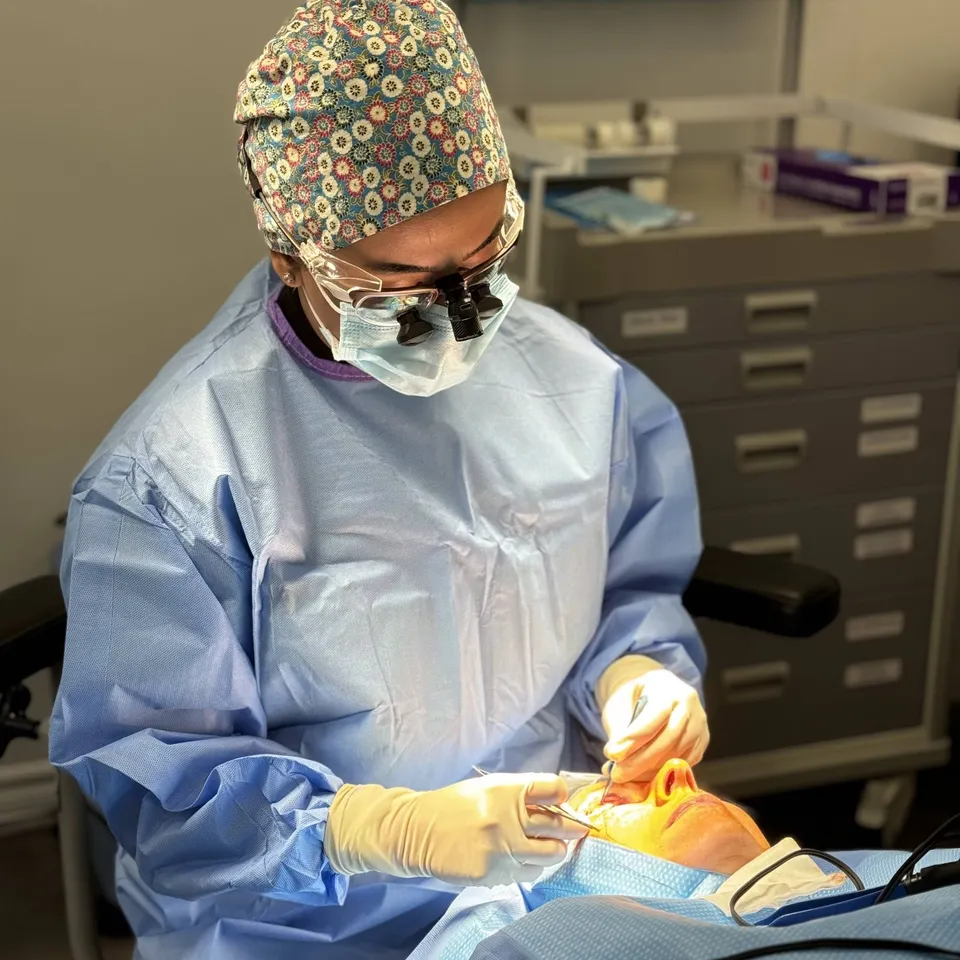
A surgeon operating on the eyelid using surgical loupes

What an oculoplastic surgeon is

An oculoplastic surgeon is first an ophthalmologist, then a subspecialist with fellowship training in eyelid, tear duct, orbital, and periocular surgery. This path means the eye itself is never treated as separate from the surgery around it.

When a specialist matters

The eyelids protect the eye surface, direct the tear film, and contribute to vision. Surgery near these structures affects more than appearance. Conditions such as drooping lids, lid malposition, persistent watering, and periocular lesions all involve this overlap of function and form.

What the training involves

After medical school, the path includes ophthalmology residency followed by dedicated oculoplastic fellowship training. This combination provides experience with both the microsurgical environment of the eye area and the reconstructive and aesthetic principles of the face.

Specialist perspective

Eyelid surgery succeeds when it respects anatomy that is easy to overlook. Lid position, symmetry, tear film health, and brow posture all influence both the immediate result and long-term comfort. This is the lens an oculoplastic surgeon brings to every periocular plan.

What to expect at a consultation

A consultation includes assessment of your eyelid anatomy and eye health, discussion of your goals, and a clear explanation of the options, benefits, and limitations relevant to you. You should expect time for questions and no pressure toward any particular procedure.

FAQ

Frequently asked questions

Is eyelid surgery painful?

Most eyelid procedures are performed under local freezing, sometimes with light sedation, so you may feel pressure but should not feel pain during surgery. Afterwards, tightness and mild soreness are common and usually settle with simple pain relief. Significant pain is not typical and should be reported.

Will I be awake during eyelid surgery?

Many eyelid procedures are done under local anaesthetic, with or without light sedation. More extensive surgery, such as combined upper and lower blepharoplasty, may use deeper sedation or a general anaesthetic. The right option for you is discussed at your assessment.

How much time will I need off work?

Many people return to desk-based work after about a week to ten days. Bruising usually fades over one to two weeks. Combined procedures or physically demanding jobs may need longer.

Will there be visible scars?

Incisions are placed where they are least visible: in the natural crease of the upper eyelid, and inside the lower eyelid or just below the lashes. Scars are usually pink at first and fade over several months.

Considering Why an Oculoplastic Surgeon?

Begin with an assessment. Your surgeon will explain your options, including when surgery is not the right step.

Request a Consultation